
Traffic control for special events: a NSW planning checklist
A practical, council-aware checklist for event organisers planning traffic control in NSW. Covers police sign-off, VMP vs TMP, peak-hour considerations, pedestrian flows and more.
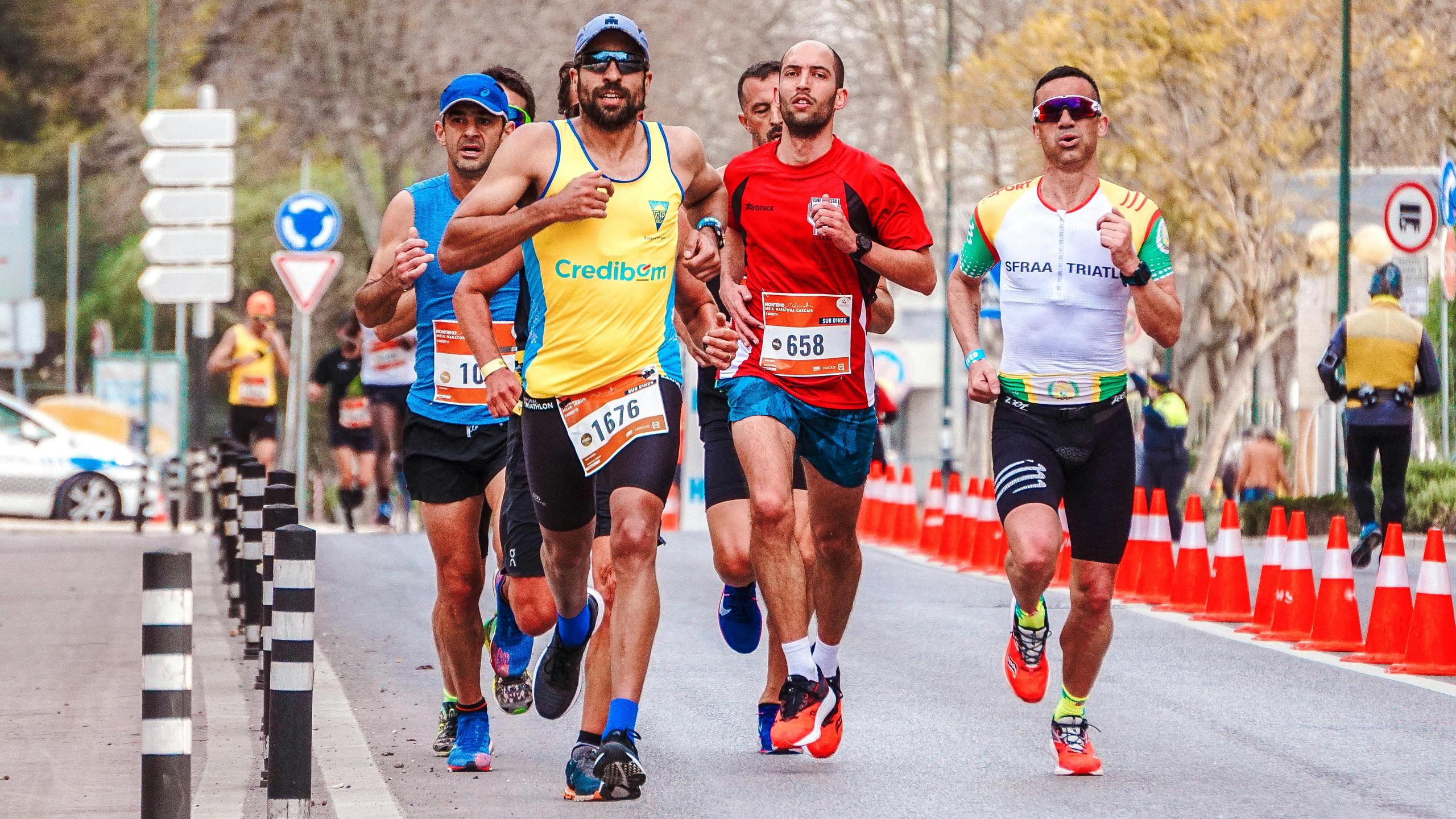
Running a special event in NSW that touches a public road — a fun run, a street festival, a market, a parade — means traffic management is one of the earliest conversations you’ll have, and one of the costliest to get wrong. This is the checklist we give event organisers on their first call. Tick it off early and you’ll avoid most of the pain.
Start with the event footprint
Before you do anything else, sketch the footprint on a map. Not a mock-up — an actual Google Maps image with:
- Road closures (hard closures vs rolling closures)
- Stage and amenity locations
- Entry and exit points for vehicles
- Pedestrian flow directions
- Parking and bus drop-off zones
- Emergency vehicle access corridors
This is the single most useful document you can hand to a traffic control contractor. Everything else flows from it.
The regulatory stack you’re dealing with
Event traffic management in NSW is governed by:
- AS 1742.3:2019 — foundational for any traffic control
- TfNSW Guide to Traffic and Transport Management for Special Events — the event-specific manual
- Local council event permit process — varies by council, but all require similar evidence
- NSW Police event approval — for road closures and larger crowds
- TfNSW Road Occupancy Licence (ROL) — when a classified road is affected
Most event organisers underestimate the total permit stack. On a medium-size community event in Sydney metro, we routinely lodge four or five separate approvals — council permit, traffic management plan, police sign-off, ROL (if needed), and sometimes bus operator notification for route diversions.
The 12-step planning checklist
Work through these in order. Each one has dependencies on the previous.
1. Confirm your date and alternates
Councils and police won’t commit to dates that clash with major sporting events, long weekends or other council-approved activations in the area. Have two alternate dates ready before your first council conversation.
2. Engage council early
Most NSW councils have an Event Planning Officer. Book a meeting before you commit to a venue. They’ll flag:
- Known scheduling clashes
- Permit lodgement deadlines
- Preferred traffic management approaches for that precinct
- Local objections history (the same street closure that was fine last year may not be this year)
3. Decide TMP vs VMP
A TMP (Traffic Management Plan) is required when roads are closed or significantly affected. A VMP (Venue Management Plan) is the document covering on-site flows, parking, pedestrian marshalling, gates and exits within your venue. Most events need both, with clear boundaries between them.
4. Engage a traffic control contractor
At this stage, not earlier, because you need the footprint and council feedback first. Get quotes from 2–3 contractors with event experience. Ask to see a past event TMP in a similar setting.
5. Categorise your risk
Events are broadly graded across NSW:
- Low-risk — small footprint, no road closures, under 500 attendees, low pedestrian/vehicle conflict
- Medium-risk — local road closure, up to 5,000 attendees, modest pedestrian management
- High-risk — major arterial closure, 5,000+ attendees, alcohol service, multi-day
Your TMP scope and your contractor roster scale with this grade.
6. Police and emergency services engagement
For medium/high-risk events:
- NSW Police will want: crowd numbers, alcohol plan, road closure times, emergency access maintained, communication plan
- Ambulance NSW: access corridor, first aid post locations
- Fire & Rescue NSW: clearance zones, hydrant access
Start this conversation at least 6 weeks out for medium-risk, 10 weeks out for high-risk.
7. Peak-hour considerations
If you’re closing a road on a weekday, peak-hour timing is make-or-break. Most councils won’t approve closures between 7–9:30am or 3–6:30pm on arterials. Saturday mornings are the most forgiving window for festivals; Sunday late mornings for fun runs.
8. Bus route and public transport
If any bus route touches your closure, the operator must be notified and a detour agreed. Factor in:
- Minimum 4 weeks’ notice to most operators
- Temporary stop relocation signage (you pay for this)
- Real-time timetable notifications to passengers
9. Pedestrian management
This is where events go wrong quietly. A good event TMP maps:
- Pedestrian ingress/egress flows (especially at peak crowd arrival)
- Barrier placement to separate crowd from live traffic
- Crossing points with marshalled and trained controllers
- Accessible routes compliant with DDA requirements
- Emergency egress under crowd density
10. Signage and wayfinding
Don’t rely on VMS boards alone. A proper event signage plan includes:
- Approach warnings (from 2–4 weeks before the event)
- Event-day wayfinding
- Detour signage for affected drivers
- Parking direction for attendees
- Bump-in / bump-out signage (often forgotten)
11. Bump-in and bump-out
Your TMP must cover setup (bump-in) and pack-down (bump-out) as separate phases. These are often overnight or very early morning, and the traffic control conditions are different from event day. We see the most damage to plant, gear, and local relationships during bump-out — organisers get tired and cut corners.
12. Post-event debrief
Council and police will expect a written debrief for any medium/high-risk event. It protects you for next year’s permit application. Include:
- Crowd numbers (actual vs forecast)
- Incidents (from minor medical to traffic)
- Closure compliance
- Community feedback
- Improvements for next time
Pedestrian-first thinking
Events are fundamentally pedestrian-management exercises. The crash risk at an event is almost always at the edges — where the crowd meets live traffic. Get the barriers right, get the crossing points right, and the rest tends to follow.
Some practical rules we apply:
- Never rely on cones alone between a crowd and live traffic. Water-filled barriers or fencing, minimum.
- Never site a bar or vendor in a spot that will cause crowd pooling within 2m of a live road edge.
- Always have a senior controller designated on crowd-road interface. Their job is that interface and nothing else.
- Always plan the worst-case crowd size, not the expected. If you’re forecasting 3,000, plan for 5,000.
What it’ll cost you (approximately)
Budget ranges we see in NSW metro:
- Small street activation, half-day, no road closure: $2,500 – $6,000 all-in
- Community fun-run, local road closure 4 hours: $8,000 – $18,000
- Festival weekend, medium-risk, full TMP: $25,000 – $70,000
- Major parade or street fair, high-risk, arterial closure: $80,000 – $300,000+
These include TMP design, plant hire, crew, supervision, and contingency. Regional NSW usually runs 15–20% cheaper, adjusted for travel/mobilisation.
Final word
Events are unforgiving — the dates are fixed and the stakes are public. The organisers who have good events have three things in common: they start early, they bring their traffic contractor into the tent at the planning stage, and they treat pedestrian safety as the first-class problem it is.
If you’re running an event in NSW and you’d like a sanity-check on your plan, we’ll take a 30-minute call, no obligation. Better ten minutes of free advice in April than a permit knockback in May.
Frequently asked questions
- How far in advance should I engage a traffic control contractor for an event?
- For anything involving a road closure, we recommend engaging at least 8–12 weeks out. Council event permits often close applications 6 weeks before the event, and police sign-off can take 4 weeks for larger events. Starting at 3–4 weeks is possible for straightforward traffic marshalling, but you lose negotiating room on pricing and plant availability.
- Do I need police approval for every event?
- No. Police sign-off is typically required when roads are closed, when you expect significant crowd or vehicle movement that could impact emergency response, or when alcohol is served on public land. For smaller activations inside a park or private land with no road impact, council permit and site-specific traffic marshalling may be enough. Your contractor should map this for you at the first planning meeting.
Keep reading

Choosing a traffic control contractor in Sydney: a buyer’s guide
Red flags to avoid, questions to ask, accreditations to verify, and what a fair pricing structure looks like. Everything a project manager needs before signing a traffic control contractor in Sydney.

Night works traffic control: what you need to know in NSW
A practical guide to night works traffic control in NSW — TfNSW requirements, lighting, fatigue management, VMS placement, noise compliance, and the crew welfare details that separate good operators from dangerous ones.

How much does a Traffic Management Plan (TMP) cost in NSW?
A plain-English breakdown of TMP costs in NSW — fee tiers by road classification, the factors that push prices up, and how to avoid getting stung on complex jobs.